Oakleigh Park packing tips for quick Barnet removal jobs
If you are trying to get a move done quickly in Oakleigh Park, the packing stage is usually where everything either flows or falls apart. One badly packed box, one missing label, one overfilled wardrobe bag, and suddenly a simple Barnet removal job feels longer than it should. The good news? With the right Oakleigh Park packing tips for quick Barnet removal jobs, you can save time without turning your home into chaos.
This guide is for anyone who wants a faster, calmer move across Barnet: renters, homeowners, flat movers, students, small businesses, and people who just need the job done efficiently. We will look at how to pack smarter, what to do first, where people lose time, and when extra help makes sense. Little things matter here. They really do.
Expert summary: quick moves are rarely about rushing. They are about reducing decisions, packing by priority, and keeping every box easy to carry, easy to identify, and easy to unload. If you can do that, the whole day gets lighter.
Table of Contents
- Why Oakleigh Park packing tips for quick Barnet removal jobs Matters
- How Oakleigh Park packing tips for quick Barnet removal jobs Works
- Key Benefits and Practical Advantages
- Who This Is For and When It Makes Sense
- Step-by-Step Guidance
- Expert Tips for Better Results
- Common Mistakes to Avoid
- Tools, Resources and Recommendations
- Law, Compliance, Standards, or Best Practice
- Options, Methods, or Comparison Table
- Case Study or Real-World Example
- Practical Checklist
- Conclusion
- Frequently Asked Questions
Why Oakleigh Park packing tips for quick Barnet removal jobs Matters
Oakleigh Park and the wider Barnet area often involve the kind of move that sounds straightforward on paper but gets complicated in real life. You might be dealing with a flat with narrow hallways, a house with loft storage, a time slot for loading, or a man and van arrangement where every minute counts. Packing well is what keeps those details from becoming bottlenecks.
When packing is organised, the move gets faster in at least three ways. First, loading is cleaner because boxes are stacked sensibly. Second, unloading is quicker because labels make sense. Third, and this is the bit people underestimate, fewer items get damaged or lost in the shuffle. That means less stress on the day and fewer awkward "where on earth is the kettle?" moments later.
To be fair, not every removal needs a military-level packing system. But quick Barnet removal jobs do benefit from a simple structure. You do not need perfection. You need a method that prevents faffing about when the van is outside and everyone is watching the clock.
Key idea: fast packing is less about speed in the moment and more about removing delays before moving day arrives.
How Oakleigh Park packing tips for quick Barnet removal jobs Works
The process is simple once you break it into stages. The idea is to sort by priority, group items by room, pack with weight in mind, and keep essentials separate. That sounds obvious, but a lot of delays come from skipping one of those steps and hoping the rest will somehow sort itself out. It rarely does.
A quick local move typically follows this flow:
- Decide what is moving, what is being sold, and what can be recycled.
- Pack the least-used items first.
- Keep similar items together so unpacking makes sense.
- Label boxes clearly on at least two sides.
- Use a small essentials bag for the first night.
- Load the heaviest and sturdiest boxes first, then fragile or awkward items with care.
That process works whether you are moving a one-bedroom flat, a family home, or a small office setup. If you are using man and van support, it becomes even more useful because a smaller vehicle and tighter schedule leave less room for inefficient packing.
In practical terms, the system saves you from stop-start packing. You are not constantly hunting for tape, wondering where to place cutlery, or trying to remember whether the HDMI cables went with the TV or the study box. One decision at a time. Then another.
Key Benefits and Practical Advantages
Quick packing methods are not only about saving time. They improve the whole shape of the move. Here are the main benefits people notice most often.
- Less loading time: uniform boxes and tidy grouping make the van easier to fill.
- Lower risk of damage: fewer loose items means less movement in transit.
- Better unpacking: clearly labelled boxes reduce guesswork at the other end.
- Less stress: you are not dealing with a mountain of mixed items at the last minute.
- More accurate quotes: when movers can see how much is ready, planning tends to be smoother.
There is also a mental benefit. It sounds soft, but it matters. A tidy packing plan gives you a sense that the move is under control, even if the rest of the week is noisy and full of cardboard dust. If you have ever tried to find a phone charger in a half-packed kitchen at 11pm, you know exactly why that matters.
For larger or more layered moves, it can help to look at removals and storage if there is a gap between move-out and move-in dates. That option can reduce pressure when a quick turnaround is not quite as quick as expected. Life happens.
Who This Is For and When It Makes Sense
These packing tips are most useful if you are working to a tight deadline, but they are not only for emergency movers. They make sense for several common situations around Oakleigh Park and Barnet.
- Renters on a fixed handover date: especially if you need to vacate in a single day.
- Families moving locally: where school runs, work, and furniture all compete for attention.
- Flat movers: because stairs, lifts, and parking can slow everything down.
- Students: when you want an efficient, no-drama move at the end of term.
- Small businesses: if desks, files, and devices need orderly relocation.
If you are in a smaller property and only have a handful of items, small removals may be the better fit. It is a simple point, but choosing the right size of move changes the packing approach. You do not pack a studio flat the same way you would pack a four-bedroom house. Common sense, yes. Still easy to overlook when time is tight.
Sometimes the biggest question is not "how do I pack fast?" but "what actually needs to be packed at all?" That is where a quick sort-out before box one can save a surprising amount of time.
Step-by-Step Guidance
Here is a practical step-by-step method you can use for a fast Barnet removal job. It is straightforward, and that is the point.
1. Start with the least-used rooms
Begin with loft items, spare-room belongings, seasonal clothes, books you do not use daily, and decorative pieces. Leave kitchen basics, bathroom items, and daily essentials until near the end. This keeps life functioning while the move gathers momentum.
2. Pack by room, not by mood
It is tempting to pack whatever is in front of you. That becomes messy very quickly. Room-based packing means the boxes are easier to unload and easier to unpack. Kitchen items stay together, bedroom items stay together, and so on.
3. Use the right box size
Small boxes for heavy items like books or kitchenware. Medium boxes for mixed household goods. Large boxes only for light bulky items such as bedding or cushions. Overstuffing a large box is one of the fastest ways to slow the whole move down, because people hesitate to lift it. Fair enough, really.
4. Keep a separate essentials kit
Put kettle, charger, basic toiletries, medication, snacks, important documents, and a change of clothes into one clearly marked bag or box. If the move gets delayed or the beds are not ready, this kit keeps the first night manageable.
5. Label clearly and consistently
Use a simple label format: room name, brief contents, and priority level if needed. Example: "Kitchen - mugs, plates, tea towels - open first." Avoid vague notes like "stuff" or "misc." They do not help anyone, least of all you.
6. Protect awkward or fragile items
Wrap mirrors, lamps, and glassware properly. Fill gaps in boxes with paper or soft items so contents do not shift. If you are short on time, even basic cushioning is better than none. The goal is not a perfect museum display. It is safe arrival.
7. Keep paperwork and valuables with you
Do not send passports, tenancy papers, bank items, or jewellery into a general box pile. Keep them in a personal bag or secure folder. For business moves, document storage can be useful when files need to be sorted before or after the move rather than carried loose.
8. Leave the final clean-up until boxes are out
Once the main items are packed, do a final walk-through room by room. Check cupboards, windowsills, and behind doors. It is astonishing how often one random charger or kitchen spoon turns up right at the end.
Expert Tips for Better Results
If you want the move to feel genuinely quick, a few small habits make a big difference.
- Pack a little each day: even 20 minutes before work can prevent a frantic final evening.
- Use clear tape and one label style: consistency saves time during loading and unpacking.
- Photograph cable setups: especially for TVs, desks, and internet gear. You will thank yourself later.
- Keep drawers light: sometimes it is faster to remove drawer contents than to move overloaded furniture.
- Group by priority: "need now," "need soon," and "can wait" is a simple system that really works.
A very practical tip, and one people forget: try to finish packing the non-essentials before the van arrives. The loading crew should not be waiting while you decide whether a toaster is travelling in a box or in your car. That pause adds up.
If you are moving a flat, especially in a building with limited access or time-sensitive loading, checking flat removals guidance can help you think through stair access, lift use, and how to stage boxes safely near the exit.
And yes, you can over-organise this. I have seen people colour-code tape for every spoon drawer. Helpful? Maybe. Necessary? Not usually. Keep it simple enough that you will actually use it under pressure.
Common Mistakes to Avoid
Fast moves often go wrong for very predictable reasons. The pattern is familiar.
- Packing too late: last-minute packing creates stress and sloppy decisions.
- Making boxes too heavy: they become difficult to lift and slow down the crew.
- Mixing rooms randomly: this creates a sorting job on arrival.
- Forgetting the essentials bag: then you spend the first evening rummaging.
- Leaving loose items everywhere: small objects get lost easily and are awkward to load.
- Not checking access: parking, stair width, and building rules can all affect speed.
One of the biggest mistakes is assuming the moving day itself will be the time to sort everything out. It will not. Moving day is for moving. Packing is for deciding. If those tasks blur together, the whole timetable slips.
Another issue is forgetting that not everything should travel. Sometimes items should be donated, recycled, or simply not taken. A clearer load is a quicker load, and it can also support more thoughtful disposal through recycling and sustainability if you are reducing what goes into the van.
Tools, Resources and Recommendations
You do not need specialist kit to pack well, but a few basics make the process smoother.
| Tool or item | Why it helps | Best use |
|---|---|---|
| Strong cardboard boxes | Protects items and stacks well in the van | Books, kitchenware, clothing, mixed items |
| Packing tape | Keeps boxes sealed securely | All box types |
| Marker pen | Clear labels save time later | Room names and contents |
| Bubble wrap or paper | Helps cushion fragile items | Glass, frames, lamps, ornaments |
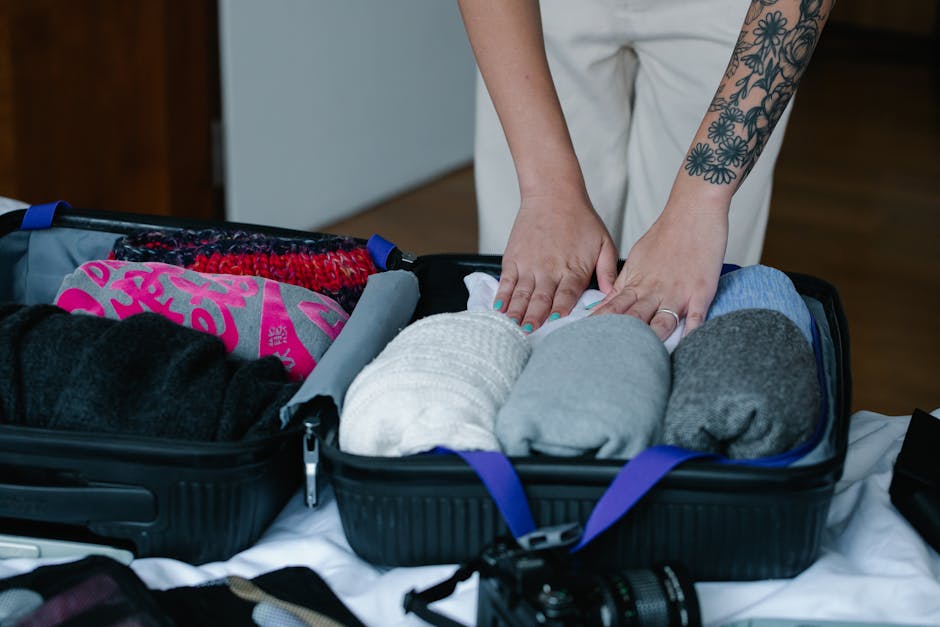
| Suitcases and laundry bags | Good for soft goods and heavier clothing | Clothes, bedding, lightweight extras |
| Zip bags | Useful for screws, cables, and small parts | Furniture disassembly |
If you want a more hands-off route, packing services can be a sensible choice when time is the bigger problem than cost. It is especially helpful for families, older movers, or anyone juggling work deadlines with a house move. Some people just do not have the headspace to pack every mug themselves. That is perfectly normal.
For people who need temporary space while staging a move, short-term storage or self storage can create breathing room. It can be the difference between moving in one clean sweep and living among half-packed boxes for a week.
Law, Compliance, Standards, or Best Practice
For most home moves, packing is a practical task rather than a regulated one. Even so, there are sensible UK expectations around safety, handling, and the secure movement of belongings. Good moving practice should reflect care with heavy lifting, safe stacking, and protection of fragile or valuable items. That is not bureaucracy. It is just good sense.
If you are dealing with a moving provider, it is reasonable to check how they approach insurance, item handling, and safety. A trustworthy company should be able to explain how belongings are managed, what is covered, and what you should do with items of unusual value or special fragility. For reassurance, you may want to review insurance and safety information before move day.
For business relocations, there can also be internal compliance concerns around confidential paperwork, equipment handling, and staff safety. In those cases, using office removals support and keeping sensitive records organised is usually far better than trying to manage everything in a rush. Quick does not have to mean careless, and honestly it should not.
If you are comparing providers, check clear pricing, straightforward terms, and transparent expectations. Pages like pricing and quotes and terms and conditions are worth reading closely because the fine print matters more when time is tight. Slightly dull? Yes. Still useful? Absolutely.
Options, Methods, or Comparison Table
Different packing approaches suit different kinds of Barnet removal jobs. Here is a simple comparison to help you choose a sensible method.
| Method | Best for | Strengths | Trade-off |
|---|---|---|---|
| Do-it-yourself packing | Small to medium moves with enough preparation time | Low cost, full control | Takes longer and needs discipline |
| Hybrid packing | Busy households or partial support moves | Saves time while keeping some control | Needs clear planning |
| Professional packing help | Tight deadlines, fragile contents, larger homes | Fastest and usually the least stressful | Higher cost than DIY |
| Storage-assisted move | Staggered dates or cluttered properties | Reduces pressure and creates space | Requires an extra step |
There is no single right answer. A student flat with a few boxes, a family home full of toys and cookware, and a local office move all need different levels of support. The best choice is the one that keeps the move efficient without making the week more complicated than it already is.
For example, if your move is essentially a quick local job with only a few items, local removals may be enough on its own. If you are moving a household and do not want to juggle packing on top of transport, a fuller service may be easier. Simple as that.
Case Study or Real-World Example
Picture a typical Oakleigh Park move on a Friday afternoon. A couple is leaving a two-bedroom flat in Barnet, and the keys for the new place are only available later in the day. They have a sofa, two beds, kitchenware, books, clothes, a desk setup, and a few awkward storage items that have lived under the bed for ages. Classic scenario.
Instead of packing room by room, they start by filling any box they can find. One box contains mugs, printer paper, a coat, and the dog's spare lead. Another has a lamp, a frying pan, and a stack of photo frames. By the time the van arrives, they are still deciding what to do with cables. Not ideal.
Now compare that with a more structured approach. They begin three days earlier. Spare room first, then books, then out-of-season clothes, then non-essential kitchenware. They label everything by room, keep an essentials bag ready, and move only the furniture that genuinely needs to travel. On the day, loading is faster, unloading is clearer, and the flat is empty on time. No magic. Just a better system.
That second version is what the best Oakleigh Park packing tips for quick Barnet removal jobs are really about. Less scrambling. Less second-guessing. More progress.
Practical Checklist
Use this checklist the day before or two days before your move.
- Declutter each room and remove items you will not be taking
- Collect enough boxes, tape, and markers before packing starts
- Pack non-essentials first
- Keep each room in separate labelled boxes
- Use small boxes for heavy items
- Wrap fragile items carefully
- Set aside one essentials bag for the first night
- Keep important documents and valuables with you
- Take photos of cable setups and furniture assemblies
- Check access, parking, and any building rules for the move
- Make sure every box is sealed properly
- Do a final room-by-room sweep before loading
If storage becomes part of the plan, whether by choice or necessity, consider mobile self storage or household storage for a flexible holding space while you sort the rest out. Sometimes the smartest move is not forcing everything into one day.
Useful reminder: if a box feels awkward to lift when it is still open, it will only feel worse once it is taped shut.
Conclusion
Quick Barnet removal jobs are usually won or lost during packing. If you keep things grouped, labelled, and realistic, the move becomes smoother almost immediately. That is true whether you are moving from a compact Oakleigh Park flat, a family house, or a small business space with a lot of loose ends.
The goal is not to pack perfectly. It is to pack in a way that helps you move quickly, safely, and with a little less noise in your head. A good move feels organised. A better move feels calm. And on a busy day, calm is worth a lot.
If you are weighing up your next step, it may be useful to look at removals options alongside packing support so the whole process works as one plan rather than two separate headaches. Small bit of planning now, big relief later.
Get a free quote today and see how much you can save.
And if all else fails, start with the kettle. Strange advice, maybe, but it tends to keep everyone going.
Frequently Asked Questions
What is the fastest way to pack for a Barnet removal job?
The fastest way is to pack by room, start with non-essentials, and keep a clear essentials bag for the first night. That avoids a lot of backtracking and keeps the loading process tidy.
How early should I start packing before moving day?
If you can, start at least several days ahead for a small move and a little earlier for a family home. Even short, focused sessions are better than a huge late-night rush.
Should I label boxes by room or by contents?
Both is best. A room label helps unloading, while a short contents note helps unpacking. For example, "Bedroom - towels and bedding" is much more useful than a vague label.
What should go in an essentials box?
Put in chargers, toiletries, toilet paper, tea or coffee, medication, basic snacks, a change of clothes, and any documents you may need immediately. Think of what you would want if the rest of the house disappeared for one evening.
Are packing services worth it for a quick local move?
They often are if time is tight, the property is large, or you have fragile items. A professional packing service can cut down the stress and speed up the overall job.
How do I pack fragile items quickly without breaking them?
Use small boxes, wrap items individually, and fill gaps so things cannot rattle around. If you are short on materials, paper cushioning is still better than letting glass bounce against glass.
Can I use suitcases instead of boxes?
Yes, suitcases are great for heavier clothing, shoes, or soft items. They are especially handy if you already own them and want to save on box count.
What items should I keep with me during the move?
Keep valuables, important paperwork, medicines, keys, chargers, and anything you may need unexpectedly. That simple decision can prevent a lot of stress later.
How can I make a flat move quicker in Oakleigh Park?
Check access in advance, keep boxes near the exit, avoid overpacking, and make sure your labels are easy to read. If stairwells or lifts are involved, that planning matters more than people think.
Do I need storage if my move is only a few days apart?
Not always, but storage can be very helpful if dates do not line up or if you want to reduce clutter before loading. Short-term options are often a practical bridge.
What is the biggest packing mistake people make?
Leaving everything until the last minute. It sounds obvious, but that is the one mistake that causes most of the mess, weight problems, and forgotten items.
How do I know whether I need a small removals service or a full removals team?
If you only have a few items, one room's worth, or a light load, a smaller service may be enough. For fuller household moves, a more complete removals option is usually easier and more efficient.